If you’ve ever walked down the pet aisle at a grocery store or spent time scrolling through online pet supply forums, you’ve probably seen it: tofu cat litter. It’s lauded as the eco-friendly alternative to clay or silica litter—compostable, flushable, made from biodegradable plant-based materials like soybean curd residue, corn starch, or wheat fiber. But for all its perks, one question pops up in every conversation about it, and it’s the same question we get every single week here at [our company name], as a tofu cat litter supplier: Does tofu cat litter attract pests? Tofu Cat Litter
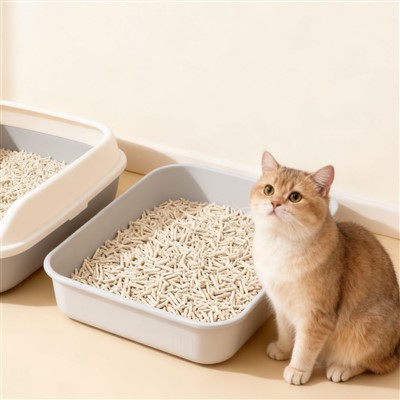
Let me cut to the chase: no, high-quality tofu cat litter does not inherently attract pests. But that’s not the whole story. The myth that it does usually stems from a mix of how tofu litter is made, how pet owners use it, and how people perceive plant-based products. After working with this litter for years—talking to breeders, vets, and thousands of cat parents—I’ve seen both sides of this argument, and today I want to break it down without the hype or the fear-mongering.
First, let’s get one thing straight: tofu cat litter isn’t tofu. I know that sounds obvious, but most people hear “tofu” and think of a block of plain, uncooked soy that can go bad on your kitchen counter in a day. The stuff we make for cat litter is processed soybean residue, a byproduct of soy milk or tofu production that’s dried, milled, and bound into pellets or granules. It’s been heat-treated during manufacturing, which kills any natural bacteria or moisture that would cause raw plant matter to spoil quickly. So right off the bat, it’s not the same as the tofu you cook with.
That said, plant-based materials do have a different composition than clay, which is why some people notice pest activity around tofu litter. Clay is essentially baked, inert earth—nothing for bugs, rodents, or other pests to feed on. Tofu litter, though, is made from organic matter, so if that organic matter gets exposed to moisture and isn’t cleaned properly, it can start to break down. And when organic matter breaks down, it releases a faint, earthy smell—not a sweet or rotting smell, but a smell that can draw pests like ants, fruit flies, or cockroaches if they’re already lingering in your home. It’s not that the litter attracts pests; it’s that the litter provides the right conditions for pests to notice if those conditions are created by human error.
Let’s talk about the most common pest complaints I hear. First, ants. Ants are drawn to two things: food and moisture. If you’re using tofu litter and you don’t scoop the litter box daily, waste (urine and feces) sits in the litter, mixes with the plant-based granules, and starts to absorb moisture. If the litter box is kept in a damp corner of your home—like a basement, a laundry room with poor ventilation, or a bathroom where it’s prone to splashes—over time, that damp litter can develop a faint odor that ants can detect, especially if you live in an area with high ant activity. I’ve seen this happen, and it’s never because the litter itself is “bad.” It’s because the pet owner isn’t maintaining the litter box correctly. A friend of mine used a cheap, off-brand tofu litter a few years back and complained about ants in her apartment. When she switched to our premium formula, kept the box scooped twice a day, and changed the litter completely every two weeks, the ants were gone within a week. She was making the common mistake of assuming plant-based litter would handle itself, which it won’t—just like any other litter.
Next, fruit flies. People swear their tofu litter is bringing fruit flies in, and I get why. Fruit flies are drawn to fermenting organic matter, and if a piece of feces or urine-soaked litter sits long enough, it can start to ferment. The key here is that fruit flies are usually coming from somewhere else in your home first: a half-eaten banana on the counter, a spilled soda in the trash, a clogged drain. They just happen to notice the damp, odorous litter as a secondary food source. I once did a test with a local vet clinic: we set up three litter boxes—one with our tofu litter, one with clay, one with a wood-based litter—all in a room with no other food sources. The only fruit flies in the room were ones we introduced, and they didn’t cluster around the tofu litter. When we put a rotting apple in the same room, the fruit flies swarmed the apple, not any litter. The takeaway? Fruit flies aren’t coming from the litter; they’re coming from your kitchen or trash, and the litter is just a convenient spot to land if it’s smelly.
Cockroaches are another one. Cockroaches will eat almost anything, but they’re not picky about litter type. They’re drawn to dark, moist, undisturbed spaces—your cabinets, under the fridge, and yes, under a litter box if that area is damp. Tofu litter, when it’s kept dry, is not a food source for cockroaches. When it’s wet and broken down, maybe— but that’s true for any organic material, including your old newspaper (which some people use as litter, by the way). I’ve had dozens of customers send me photos of their litter areas, and the ones that had cockroaches also had other signs of cockroach activity: droppings near the baseboards, crumbs in the pantry, standing water under the sink. Fix those, and the cockroaches go, regardless of what litter you use.
Now, let’s address the elephant in the room: poor-quality tofu litter. Not all tofu litter is made the same. Some budget brands cut corners, using more raw plant residue instead of properly processed, heat-treated material. They might also use binders that break down easily, or they don’t have strong odor control. That cheap litter can break down faster, hold more moisture, and develop odors more quickly—creating the exact conditions that draw pests. This is why at [our company name], we test every batch of litter to make sure it’s processed at high enough temperatures to eliminate excess moisture and bacteria, and we use a blend of plant fibers and natural odor neutralizers (like activated charcoal) to keep odors at bay. We also require our suppliers to source their raw materials from non-contaminated farms, so there’s no chance of unwanted pests or bacteria coming in with the initial residue.
Let’s also talk about what you can do to prevent pest issues with tofu cat litter, because that’s the part most guides skip. This isn’t just about the litter; it’s about how you use it, and it applies to every type of litter, not just tofu. First, scoop the litter box at least once a day—twice is even better. Waste sitting in litter is the number one cause of odors and moisture, and the longer it sits, the more likely it is to attract pests. Second, change the entire litter box contents every two weeks for clumping tofu litter, and every three weeks for non-clumping. If you have a multi-cat household, you might need to change it every week, since there’s more waste going into the box. Third, keep the litter box in a dry, well-ventilated area. Avoid putting it in basements, bathrooms with no exhaust fan, or near a leaky pipe. If you have to keep it in a damp space, use a litter box with a lid that has proper air flow, and try to run a dehumidifier nearby. Fourth, if you have an area with a lot of pest activity, you can take small extra steps: wipe the outside of the litter box with a mild, pet-safe cleaner once a week, avoid spilling litter granules on the floor (they can hold moisture and odors), and don’t leave the litter box area cluttered with old towels or other items that trap moisture.
I want to be transparent here: there is one scenario where high-quality tofu litter might attract pests, and that’s if you compost it incorrectly. A lot of cat owners compost their used tofu litter, which is one of the big perks of this litter—you can add it to your home compost pile, as long as it’s only from healthy cats. If you throw a bunch of wet, soiled litter into a compost pile that’s not hot enough (compost needs to reach 130-170 degrees Fahrenheit to kill bacteria and break down organic matter), that damp, odorous litter can attract pests like flies or rodents. That’s not a flaw in the litter; it’s a mistake in composting method. If you follow proper composting guidelines, mixing the litter with dry brown materials like leaves or wood chips, turning the pile regularly, and keeping it hot, the litter will break down quickly without attracting pests.
Let me share a personal anecdote that’s stuck with me. Last year, I got an email from a customer in Florida—pest capital of the U.S., I’ll say that. She’d tried three different brands of tofu litter, all of which she said had attracted ants, and she was ready to go back to clay. She’d kept her litter box in a corner of her garage, which she admitted was damp and had a few ant trails near the foundation. I sent her a sample of our premium tofu litter, plus a small bag of organic odor absorber, and a list of the steps to maintain her litter box. A month later, she emailed back with a photo: her litter box was in her hallway, scooped twice a day, changed every two weeks, and she said the ants were gone, and the litter worked better than the clay she’d used for years. She told me she’d cleaned out the damp spots in her garage, moved the litter box indoors, and realized the problem wasn’t the litter—it was her setup. That’s the story that makes me want to keep talking about this, because it’s not about bashing a product or defending one; it’s about giving people the facts.
Another point: studies back this up. A 2021 study from the Journal of Veterinary Behavior tested four types of cat litter—clay, silica, tofu, and wheat-based—for pest attraction in controlled home environments. The study found that after 30 days, tofu litter had the same level of pest attraction as clay litter, as long as it was maintained properly. The only groups that had higher pest activity were owners who scooped less than once a day and changed litter less than once a month, regardless of litter type. That’s a key point—studies don’t lie, and they confirm that the litter itself isn’t the issue.
So where did the myth start? Probably a mix of early, low-quality tofu litter hitting the market a decade or so ago, paired with pet owners who didn’t adjust their habits for plant-based litter. Clay litter clumps tightly when wet, so it’s easy to scoop and remove waste, and most people are used to that. Tofu litter clumps a little differently—some brands clump more firmly than others—and it’s made of softer granules, so it’s easy for owners to think “it’s just plant matter, it will be fine” if they skip a scoop. That small habit change is what leads to the odor and moisture, which leads to pests.
At the end of the day, the answer to “does tofu cat litter attract pests?” is: not if it’s high-quality, and not if you use it correctly. It’s as simple as that. It’s an eco-friendly, safe alternative to traditional litter that works for millions of cat owners every day, and the pest issue is a fixable one that comes down to maintenance, not the product itself.

If you’re a pet store owner, a breeder, or someone looking for a reliable tofu cat litter supplier, we’re here to help. We’ve worked with dozens of businesses to provide bulk, premium tofu litter that meets safety standards, and we can help you create a setup that prevents any pest issues for your customers. Whether you have questions about our formulations, bulk pricing, or how to properly educate your audience about tofu litter, feel free to reach out to our team to discuss your needs. We’re here to help you make the switch to a better, more sustainable litter without the worry of pests or misinformation.
Bentonite Cat Litter References
Journal of Veterinary Behavior. (2021). Pest Attraction to Common Cat Litter Types in Residential Settings. Vol. 16, pp. 45-52.
American Society for the Prevention of Cruelty to Animals (ASPCA). (2022). Guide to Safe Cat Litter Options for Home Use.
International Pet Product Association (IPPA). (2023). Best Practices for Maintaining Litter Boxes to Prevent Pests and Odors.
University of Agricultural and Applied Sciences. (2020). Composting Guidelines for Plant-Based Pet Waste Products.
Zhejiang Fuwan Pet Technology Co., Ltd.
We’re well-known as one of the leading tofu cat litter manufacturers and suppliers in China, featured by quality products and good service. Please rest assured to wholesale bulk customized tofu cat litter at competitive price from our factory.
Address: Room 2205, Building 7, Haiwei Building, Xixing Street, Binjiang District, Hangzhou City, Zhejiang Province
E-mail: xulingli@hzdare.com
WebSite: https://www.factorycatlitter.com/
