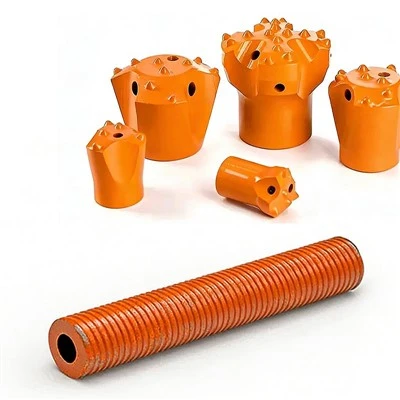
Measuring the torque during the drilling of steel is a crucial aspect in the manufacturing and metalworking industries. As a supplier of drilling steel, I have witnessed firsthand the significance of accurate torque measurement, not only for ensuring the quality of the drilling process but also for optimizing tool performance and enhancing overall productivity. Drilling Steel
Understanding Torque in Steel Drilling
To begin with, let’s clarify what torque is in the context of steel drilling. Torque is the rotational force applied to the drill bit as it penetrates the steel material. It is a measure of the turning effort needed to rotate the drill bit and is typically measured in units such as Newton – meters (N·m) or foot – pounds (ft – lb).
When drilling steel, several factors can influence the torque required. The hardness of the steel is one of the most significant factors. High – strength steels, such as stainless steel or alloy steels, generally require higher torque values compared to mild steels. The diameter of the drill bit also plays a crucial role. Larger diameter drill bits need more torque to cut through the steel because they are removing a greater volume of material with each rotation. Additionally, the cutting speed, feed rate, and the type of drill bit (e.g., twist drill, gun drill) can all impact the torque demand.
Importance of Measuring Torque
Accurate torque measurement during steel drilling offers numerous benefits. Firstly, it helps in preventing tool breakage. If the torque applied exceeds the drill bit’s capacity, it can lead to premature failure of the bit, resulting in increased tooling costs and production downtime. By monitoring the torque, operators can adjust the drilling parameters in real – time to ensure that the drill bit operates within its safe working limits.
Secondly, torque measurement is essential for achieving consistent hole quality. Proper torque levels ensure that the drill bit cuts smoothly through the steel, producing holes with the desired diameter, surface finish, and straightness. In applications where tight tolerances are required, such as in the aerospace or automotive industries, precise torque control is non – negotiable.
Finally, measuring torque can contribute to energy efficiency. By optimizing the torque requirements, manufacturers can reduce the power consumption of the drilling equipment, leading to cost savings and a more sustainable manufacturing process.
Methods of Measuring Torque
There are several methods available for measuring torque during the drilling of steel. Each method has its own advantages and limitations, and the choice of method depends on various factors such as the specific application, the level of accuracy required, and the budget.
-
Strain Gauge – Based Torque Sensors
- Strain gauge – based torque sensors are one of the most commonly used methods for torque measurement. These sensors work by measuring the deformation (strain) of a shaft or a component due to the applied torque. The strain gauges are bonded to the surface of the shaft, and as the shaft twists under the influence of the torque, the electrical resistance of the strain gauges changes. This change in resistance is then converted into a torque value using a calibration factor.
- The main advantage of strain gauge – based sensors is their high accuracy. They can provide precise torque measurements over a wide range of torque values. However, they are relatively expensive and require careful installation and calibration. Additionally, they may be sensitive to environmental factors such as temperature and vibration.
-
Hall – Effect Torque Sensors
- Hall – effect torque sensors use the Hall effect to measure torque. A magnetic field is applied to the shaft, and as the shaft twists, the magnetic field changes. The Hall – effect sensor detects this change in the magnetic field and converts it into a torque signal.
- These sensors are relatively inexpensive and have a simple design. They are also less sensitive to environmental factors compared to strain gauge – based sensors. However, their accuracy is generally lower than that of strain gauge sensors, especially at low torque values.
-
Optical Torque Sensors
- Optical torque sensors use optical principles to measure torque. They typically involve the use of a rotating disk with optical markings. As the shaft rotates under the influence of torque, the optical markings on the disk are detected by a light source and a photodetector. The phase shift or change in the optical pattern is then used to calculate the torque.
- Optical torque sensors offer high – speed measurement capabilities and are suitable for applications where real – time torque monitoring is required. They are also non – contact sensors, which eliminates the need for physical contact with the shaft, reducing wear and tear. However, they can be more expensive and may be affected by dust and dirt in the environment.
Practical Considerations for Torque Measurement
In a real – world drilling operation, there are several practical considerations when implementing torque measurement.
- Calibration: Regular calibration of the torque measurement equipment is essential to ensure accurate and reliable results. Calibration should be performed according to the manufacturer’s recommendations and traceable to national or international standards.
- Sampling Rate: The sampling rate of the torque measurement system should be chosen carefully. A high sampling rate allows for more detailed monitoring of the torque variations during the drilling process, but it also requires more data storage and processing power.
- Integration with Drilling Equipment: The torque measurement system should be integrated seamlessly with the drilling equipment. This may involve connecting the torque sensor to a control unit or a data acquisition system to enable real – time control and monitoring of the drilling parameters.
Our Role as a Drilling Steel Supplier
As a drilling steel supplier, we understand the importance of torque measurement for our customers. We are committed to providing high – quality drilling steel that is suitable for a wide range of drilling applications. Our drilling steel is manufactured to the highest standards, ensuring consistent quality and performance.
We also offer technical support to our customers to help them optimize their drilling processes. Our team of experts can provide advice on the selection of the appropriate drill bit, the determination of the optimal drilling parameters, and the implementation of torque measurement systems. We believe that by working closely with our customers, we can help them improve their productivity, reduce costs, and enhance the quality of their products.
Conclusion
Measuring the torque during the drilling of steel is a complex but essential task. It requires a good understanding of the factors that influence torque, the available measurement methods, and the practical considerations for implementation. By accurately measuring and controlling the torque, manufacturers can improve the quality of their drilling operations, reduce tooling costs, and increase energy efficiency.
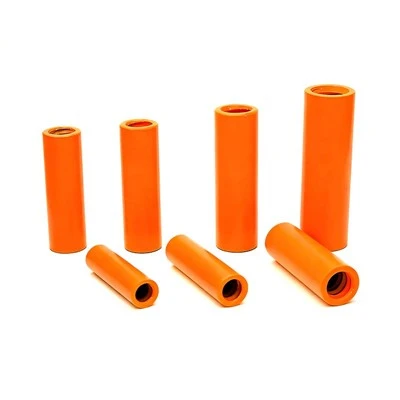
Drill Rod If you are involved in the steel drilling industry and are looking for high – quality drilling steel, we are here to help. We invite you to contact us to discuss your specific requirements and explore how our products and services can benefit your business. Whether you are a small – scale workshop or a large – scale manufacturing plant, we have the expertise and resources to meet your needs.
References
- Black, J. T., & Kohser, Ronald A. (2009). DeGarmo’s Materials and Processes in Manufacturing. Wiley.
- Kalpakjian, S., & Schmid, S. R. (2013). Manufacturing Engineering and Technology. Pearson.
- Trent, E. M., & Wright, P. K. (2000). Metal Cutting. Butterworth – Heinemann.
Super Rock Machinery Equipment (Qingdao) Co., Ltd.
We are one of the most professional drilling steel manufacturers and suppliers in China, featured by quality products and good price. Please feel free to buy advanced drilling steel for sale here from our factory. Welcome to view our website for more information.
Address: No. 45, Pengwan Road, Qianwan Bonded Port Area, Qingdao Sub-district, Free Trade Pilot Zone, Shandong China
E-mail: sales@superrocktools.com
WebSite: https://www.superrocktools.com/
