If you’ve ever stood in a chemical supply warehouse—say, restocking pallets of what we sell here at our oxidant supplier—you’ve probably grabbed a bottle of bleach next to a jug of lye, maybe glanced at the labels and thought, “Wait, these are both super reactive, right? What’s actually the difference?” I get it; when you’re loading orders for labs, manufacturing plants, or even small-scale hobbyists, it’s easy to lump “harsh, reactive chemicals” into one vague bucket. But oxidants and alkalis aren’t just two sides of the same coin—their chemistry drives totally different use cases, safety protocols, and even how you should handle them. After 12 years in this business, I’ve seen people mix them up way too many times, so let’s break it down like I’d explain it to a new warehouse intern. Oxidant

First, let’s start with the basics, no stuffy textbook jargon that makes your eyes glaze over. Oxidants are chemicals that “steal” electrons from other substances in a reaction—think of them as electron-hungry bullies that cause oxidation. Alkalis, on the other hand, are bases that dissolve in water to release hydroxide ions (OH-), and they’re the ones that feel slippery on your hands, turn litmus paper blue, and can eat through things like grease or organic matter via a totally different reaction. The big overlap people notice is that both are corrosive, so you need PPE for both—but that’s pretty much where the confusion ends.
Let’s dive into chemical reactivity, because that’s where the most actionable stuff is. Oxidants’ power comes from their ability to accept electrons, and their reactivity depends on how hungry they are for those electrons. For example, hydrogen peroxide (which we sell in industrial grades for water treatment and textile bleaching) is a mild oxidant at low concentrations, but crank up the concentration and it’ll react violently with organic materials like wood or even fuel. Then there’s sodium persulfate, another staple in our inventory—we use it in hair bleaches and metal cleaning, and it reacts by breaking apart other compounds by grabbing electrons, which is why it’s great for removing rust or stains.
Alkalis’ reactivity is way different. Their mojo comes from those hydroxide ions. Lye (sodium hydroxide, NaOH) is a super common alkali, used in soap making and drain cleaners. When lye hits oil, it saponifies—turns grease into soap, basically, via a reaction that doesn’t involve electron stealing, just bonding with water and fats. The danger here is how they break down organic tissue; a spill of 50% NaOH will dissolve skin way faster than a similar concentration of bleach, because it’s literally turning your cells into soap before you can rinse it off. Now, some alkalis are strong, some are weak—ammonia, for example, is a mild alkali used in household cleaners, but even that can react with certain oxidants (more on that in a sec) to make something dangerous.
Next up: what they react with, because that’s where people get hurt or their projects go wrong. Oxidants play well (okay, “play” is loose) with almost any organic material, and they release oxygen when they decompose, which makes fires way worse. I’ve had customers call panicking because they stored a bucket of our industrial chlorine bleach next to a pile of cardboard boxes—turns out, bleach (a mild oxidant) can off-gas small amounts of oxygen, so if a spark hits, that cardboard will go up way faster than it would with regular air. Some strong oxidants, like potassium permanganate, don’t even need fire; they’ll react with sugar to make a small explosion if you mix them wrong. That’s why our warehouse has super strict storage rules: oxidants go on yellow shelves, separated from organics, acids, and definitely alkalis.
Wait, right—mixing oxidants and alkalis is a common mistake, so let’s talk about that. A lot of people assume two harsh chemicals are safer together, but no way. Mixing a strong oxidant like sodium persulfate with a strong alkali like lye can generate heat, sometimes enough to start a fire, plus toxic fumes. We once had a customer mix them to “make a stronger drain cleaner” and ended up with a chemical burn that required a trip to the ER. It’s not that they neutralize each other or anything—their reactions just make way worse byproducts than either alone.
Alkalis, for their part, react way more with metals and acids than with organics. A spill of lye on an aluminum patio chair? It’ll eat a hole through the metal in no time, because the hydroxide ions bond with the aluminum to make a soluble compound. Acid spills? Neutralize them with baking soda, not with alkalis—wait, hold on, that’s another mix-up! Neutralizing acids is a job for mild alkalis, like sodium bicarbonate, not strong ones. If you dump lye on a sulfuric acid spill, you’ll get a ton of heat and steam, which is way more dangerous than just letting the acid sit. Oxidants don’t do neutralization—their whole thing is electron transfer, so neutralization isn’t in their playbook at all.
Now, let’s talk about use cases, because that’s what matters most to our customers. When do you reach for an oxidant? Bleaching textiles, treating wastewater (to break down contaminants like pesticides), cleaning metal parts, or even powering rocket fuels (yeah, we sell high-grade oxidants for aerospace too). A lot of construction companies use our oxidants to remove old paint or rust from bridges, because they break down the chemical bonds in those materials without damaging the steel under them. We also supply oxidants to food and beverage manufacturers, for things like sanitizing equipment—we carry food-grade hydrogen peroxide that’s way safer for that than chlorine, in our experience.
When do you use an alkali? Soap and detergent manufacturing, drain cleaners (the ones designed to work on grease, that saponification thing), pH adjustment in swimming pools (sodium carbonate, a mild alkali, to keep pool water from being too acidic), and even food processing—like making pretzels, where lye gives them that crispy, dark crust. Some painters use alkalis to remove paint from surfaces too, but they work differently than oxidants; they soften the paint by breaking down its molecular structure, not by stealing electrons. I always tell customers: if you need to bleach something, go oxidant. If you need to cut through grease or adjust pH, go alkali.
Safety is the big one, obviously, and this is where a lot of the confusion happens. For oxidants, the main risk is fire and explosion. The PPE we recommend is nitrile gloves, safety goggles, and a face shield for strong concentrations, because spills can cause chemical burns, but the bigger danger is keeping them away from anything flammable. If an oxidant gets on a rag, toss it in a sealed metal bin designed for oxidant waste, not a regular trash can.
For alkalis, the main risk is chemical burns and eye damage. Lye, for example, can cause permanent blindness if it gets in your eyes, so we always suggest full face shields when handling strong alkalis. Unlike oxidants, alkalis don’t react to make fires, but they do absorb moisture from the air, so if you leave a bucket of lye open, it’ll harden over time, and even leak through plastic containers if they’re not sealed properly. Also, if you get alkali on your skin, you need to rinse with water for 15 minutes straight—don’t use a neutralizer or anything, that’ll just create more heat. Oxidant spills? Same 15-minute rinse, but the risk is less tissue damage than a strong alkali spill, usually—though don’t take that as a “oxidants are safe” thing, obviously.
Wait, let’s clear up a common myth here: people think all oxidants are strong, and all alkalis are strong, but that’s not true. Household bleach is a mild oxidant, while concentrated sodium persulfate is a strong one. Ammonia is a mild alkali, while lye is a strong one. The strength is based on their reactivity, not just what category they fall into. I’ve had a customer come in asking for a “strong oxidant” to clean their pool, and they ended up with our 3% hydrogen peroxide, which is way too weak for that—turned out they needed a stronger one like sodium hypochlorite, which is a chlorine-based oxidant. Similarly, someone looking for a “strong alkali” for soap making would pick lye, not baking soda, which is a weak alkali.
Another thing that sets them apart: how they decompose over time. Oxidants break down when exposed to heat, light, or water, losing their strength. We always tell customers to store oxidants in cool, dark places, and to use them before their expiration date, because once they decompose, they’re less effective and can be more unstable. Alkalis, on the other hand, can react with carbon dioxide in the air over time, so they’ll weaken, too—lye will absorb CO2 and turn into sodium carbonate, which is a weaker alkali. But that’s a different decomposition process than oxidants, which is all about losing oxygen or accepting extra electrons.
Let me give you a real example that stuck with me from a few years back. A small manufacturing plant called us asking for 50 gallons of oxidant to clean their production lines. They also mentioned they had a big stack of drain cleaner they’d ordered from another supplier, which was lye. We stopped them mid-order and said, “Don’t mix those.” They said, “But both are supposed to cut through gunk!” We explained that the oxidant would break down the organic grime on the lines, and the lye would work on the drains, but mixing them would just create toxic fumes and heat. They ended up buying both, used them separately, and saved themselves from a costly mistake. That’s the kind of thing we deal with every day—helping customers not just pick the right chemical, but understand why it’s different from the other one they might be tempted to use.
So to wrap this up, the key differences are: oxidants are electron-stealers that cause oxidation, main risks are fire/explosion, use for bleaching, cleaning, and breaking down contaminants. Alkalis are bases that release hydroxide ions, main risks are chemical burns, use for grease cutting, pH adjustment, and soap making. They aren’t the same, mixing them is almost never a good idea, and getting the right one for your job makes all the difference.
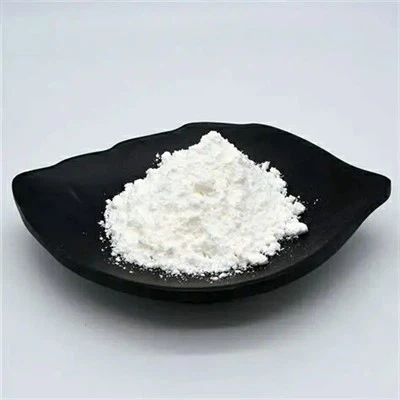
If you’re working on a project, restocking supplies for your plant, or need industrial oxidants (or have questions about alkalis, too—we can help with that), don’t hesitate to reach out to our team. We’ve got all grades of oxidants, from mild food-safe ones to strong industrial concentrations, stored properly and ready to ship, and we can walk you through exactly what you need to stay safe and get the job done right.
Agrochemical Raw Material(TC) References
- CRC Handbook of Chemistry and Physics, 102nd ed.; CRC Press: Boca Raton, FL, 2021.
- Green, J. O.; Perry, D. L. Hazardous Chemicals Handbook, 2nd ed.; Butterworth-Heinemann: Oxford, UK, 2008.
- United Nations Recommendations on the Transport of Dangerous Goods: Model Regulations, 21st ed.; United Nations: New York, NY, 2021.
- Cotton, F. A.; Wilkinson, G. Advanced Inorganic Chemistry, 6th ed.; John Wiley & Sons: Hoboken, NJ, 1999.
Shandong Hefan Chemical Products Co., Ltd.
As one of the most professional oxidant manufacturers and suppliers in China, we’re featured by quality products and good price. Please rest assured to buy bulk oxidant made in China here from our factory. Also, quotation is available.
Address: QIANZHAO BUSINESS BUILDING NO. 709LUOZHAO ROAD,TIANQU INDUSTRY ZOON, DEZHOU, SHANDONG, CHINA
E-mail: sales@hefanchem.com
WebSite: https://www.hefanchem.com/
