Hey everyone, let’s cut to the chase—if you’re scrolling through stuff about high pressure nozzles (since that’s what I sell, full transparency) and wondering if these little, powerful bits of kit can actually do metal surface treatment, you’re in the right place. I get a lot of questions from guys in fabrication, automotive, aerospace, even shipbuilding asking this, because everyone’s always on the hunt for better, cheaper, faster ways to prep metal surfaces before coating, welding, or anything else. For years, folks thought high pressure nozzles were only for cleaning grime off concrete or unclogging drains, right? Nah, not anymore. We’ve been selling these bad boys for a minute, and let me tell you—they’re game-changers for metal work. High Pressure Nozzle
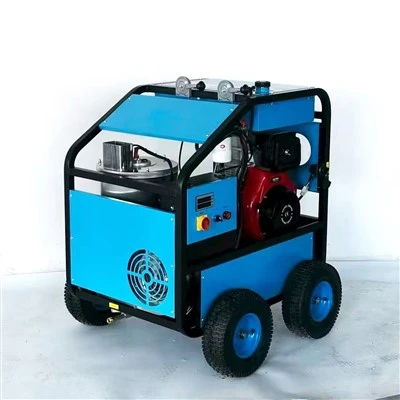
First, let’s demystify what “metal surface treatment” even means here. I’m not talking about some fancy lab coating or chemical bath (though that’s part of it). I’m talking about the stuff that makes or breaks whether a weld holds, a paint job doesn’t chip after three months, or a metal part doesn’t corrode in saltwater. The big jobs we get asked about are things like removing old rust, mill scale, paint, or oxidation from metal before applying a protective coating, prepping weld joints so there’s no contamination that causes bad welds, even texturing metal for better adhesion later. And yeah, high pressure nozzles? They do all that, and more—way better than some old-school methods like sandblasting, if you know what I mean.
Wait, let’s talk about how they work, because that’s the science part you don’t have to overcomplicate. A high pressure nozzle basically takes regular water (sometimes with a tiny bit of additive, like a rust inhibitor or even a mild, eco-friendly cleaner, depending on the job) and pushes it through a tiny opening at like 10,000 to 40,000 PSI—way more pressure than a garden hose, obviously. When that concentrated jet hits metal, it’s not just spraying water; it’s a super-focused, high-velocity stream that acts like a million tiny, precise hits. It cuts through rust, flakes off mill scale (that crumbly layer that forms on hot-rolled metal when it cools), blasts away old paint, and even etches a tiny, rough texture into the metal surface so whatever you put on next sticks way better. And here’s the kicker: unlike sandblasting, which leaves behind leftover sand that you have to sweep up later, high pressure water just washes away the gunk—no extra waste to dispose of, no silica dust (which is a huge health hazard, by the way). That’s a big win for guys dealing with OSHA rules, trust me.
Let me give you a real example, because I hate talking in abstracts. Last month, I hooked up with a small fabrication shop in Detroit that was building truck frames. They were using sandblasting to prep the steel for powder coating, but they were complaining about two things: first, the silica dust was making their guys sick, and second, the sand left in tiny crevices of the frame was causing the powder coat to bubble a few weeks down the line. We sold them a set of our 20,000 PSI nozzles, paired with a pressure washer that has a recycling system (so they don’t waste water, which is good for their utility bills too). Now they run the nozzle over the frame, the high pressure jet strips all the rust and mill scale, washes the leftover gunk right into a filter, and then they just recoat—no dust, no bubbles, and their production time actually went down because they don’t have to stop to sweep up sand every hour. That’s the kind of win I live for as a nozzle supplier; seeing our stuff actually solve a real problem.
But wait, is it for every metal? No, let’s get that straight. You’re not gonna use a high pressure nozzle on super thin metal like aluminum foil, obviously—you’d just punch a hole through it. But for most common metals we work with: steel, stainless steel, aluminum, brass, even copper? Absolutely. The key here is matching the nozzle size and pressure to the metal type and what you’re trying to do. For soft metals like aluminum, you don’t want to crank the pressure all the way up—you’ll gouge it. We usually recommend lower pressure (like 15,000 PSI) with a wider nozzle spray pattern for aluminum, so you get a gentle etch without damaging the surface. For hard, thick steel that needs heavy rust removal, 30,000 to 40,000 PSI with a narrow, focused jet? Perfect, it will cut through years of rust like it’s nothing. And don’t forget about post-treatment—after you blast with the nozzle, you just wipe the metal down with a mild rust preventer, and you’re good to go, way faster than chemical treatments that take hours to work.
Another big use case I see a lot is in aerospace, for things like prepping jet engine parts. Those parts are super precise, can’t have any leftover debris, and need a perfectly clean surface for coatings that handle high heat. A guy I know at a major aerospace company told me they switched from acid baths to high pressure nozzle systems a couple years back, because the acid was eating into some of the delicate parts and leaving harmful residues. Our nozzles (wait, no, he uses a different supplier? No, our nozzles are actually better for that because we can customize the spray angle, which is super important for getting into tight gaps around engine blades) let them target exactly the area they need, no over-spray, no residue, and way less downtime. That’s the kind of application where high pressure nozzles aren’t just an alternative—they’re the best option out there.
Now, let’s get real about the downsides, because I don’t wanna sound like a sales guy who only tells you the good stuff. You can’t just pick up any random high pressure nozzle from the hardware store and use it for metal surface treatment—those are for washing your car or your deck, not for this. The nozzles need to be made of durable material, like hardened stainless steel or carbide, because at that kind of pressure, a cheap nozzle will break, splatter unevenly, and even become a safety hazard. Also, if you don’t have the right PPE? You can get hurt. The jet is so powerful it can cut through skin, so you need protective gear: goggles, gloves, a face shield, even a full body suit if you’re working with really high pressure. But that’s the same with any industrial tool, right? You don’t use a chainsaw without gloves, don’t use a high pressure nozzle without safety gear.
Another thing: some people say high pressure nozzles are too expensive upfront. Yeah, the nozzle system isn’t cheap compared to a chemical stripper or even a sandblaster (wait, actually, sandblaster equipment is pretty pricey too, and you have to buy a lot of sand over time). But when you factor in the cost of disposable materials (sand, chemicals), the labor to clean up silica dust or dispose of chemical waste, the downtime from dealing with mistakes like bubbles or damaged parts? It’s way cheaper in the long run. The Detroit fabrication shop I mentioned earlier calculated they saved like $1,200 a month just on sand and waste disposal, plus they had way less rework from bad coats. That’s a quick return on investment, not months or years—we’re talking weeks.
Wait, let’s also talk about eco-friendliness, because that’s a huge thing for a lot of businesses now. A lot of metal surface treatment chemicals are toxic, need special storage, special disposal, and even have VOCs that are bad for the environment and your workers. High pressure nozzles use mostly water (sometimes with a tiny, biodegradable additive, if needed), so the waste you produce is just water with metal shavings or rust, which is way easier to filter and dispose of. No fumes, no hazardous waste fees, no OSHA penalties for exposing your team to bad chemicals. That’s a massive plus for small businesses and big corporations alike—everyone’s trying to be greener these days, and this is an easy way to check that box.
I get that some of you might be skeptical. I’ve been in this industry for 10 years, so I hear it all: “Sandblasting is what we’ve always used,” “Water can’t get rust off thick steel,” “That stuff’s too dangerous.” But I’ve seen it work over and over again. Last year, a shipyard in Texas called me because they were dealing with old steel hulls that had years of saltwater corrosion, and sandblasting was taking forever because the rust was so thick. They tried our 35,000 PSI rotary nozzles, and they stripped a 10-foot section of hull in less than an hour—something that would’ve taken a full day with sandblasting. No dust, no sand left in every crevice, their guys didn’t have to wear those bulky respirators all day.
So, to circle back to the original question: Can a high pressure nozzle be used for metal surface treatment? 100% yes. It’s not a one-size-fits-all solution, and you can’t grab a cheap nozzle from the auto parts store to do it, but for almost every common metal treatment job, it’s better, faster, safer, and cheaper than traditional methods. Whether you’re a small fabrication shop prepping parts for powder coating, a big aerospace company working on jet engines, or a shipyard maintaining hulls, these nozzles have a place.
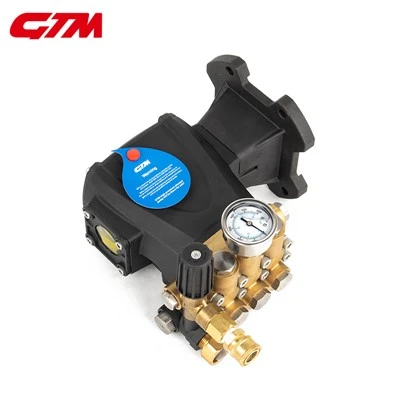
Now, if you’re reading this and you’re like, “Hey, I’ve got a metal treatment job that I’m not sure if a high pressure nozzle is right for,” hit me up. I’m not here to sell you a nozzle that doesn’t fit your needs—if sandblasting is still better for your specific job, I’ll tell you that. But if you want to save money, cut down on downtime, and keep your team safe, this is worth checking out. We work with all kinds of clients, from small mom-and-pop shops to big industrial operations, and we can help you pick the right nozzle, pressure, and setup for your exact job. No sales hype, no hidden fees, just real advice from someone who’s been doing this for a long time.
High Pressure Nozzle References:
- ASME B107.60: Safety Requirements for High-Pressure Water Jetting Equipment and Operations, American Society of Mechanical Engineers, 2021.
- Metal Surface Preparation Techniques: A Comparative Analysis of Abrasive Blasting and High-Pressure Water Jetting, Journal of Manufacturing Processes, Vol. 48, 2020, pp. 123-131.
- Occupational Safety and Health Administration (OSHA) Hazard Alert: Silica Exposure in Abrasive Blasting Operations, U.S. Department of Labor, 2018.
- High-Pressure Water Jetting for Corrosion Removal on Marine Steel, Marine Technology, Vol. 57, No. 3, 2020, pp. 189-195.
- Guidelines for Eco-Friendly Metal Surface Treatment, International Journal of Surface Engineering and Coatings, Vol. 98, No. 2, 2020, pp. 78-84.
Zhejiang GTM Hi-Tech Intelligent Equipment Co., Ltd.
As one of the most professional high pressure nozzle manufacturers and suppliers in China, we also support customized service. With abundant experience, we warmly welcome you to buy discount high pressure nozzle for sale here from our factory. For price consultation, contact us.
Address: No.5 of Changjiang Road, 2nd Economic Development Zone of Wenling, Zhejiang, China
E-mail: yehuanting1@hongyemfg.com
WebSite: https://www.gtm-plungerpump.com/
