Hey everyone, let’s cut to the chase – if you’re in the textile game, you’ve probably heard of semi-worsted yarn, but when it comes to how it ages, most suppliers (even some of the old heads) don’t break it down like I’m about to. As someone who’s been supplying semi-worsted yarn for over 12 years now, I’ve seen firsthand how people mix up semi-worsted with worsted, especially when it comes to its aging process. Let’s get into this real, no-jargon stuff. Semi-worsted Yarn
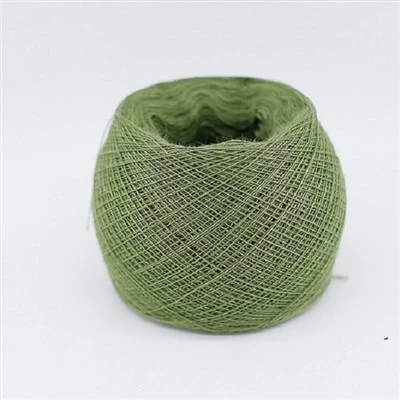
First, let’s recap the basics so we’re all on the same page, because this is key to understanding how it ages. Semi-worsted is that middle ground between woolen and worsted yarn, right? We make it from shorter wool fibers (usually 1 to 4 inches, vs worsted’s longer 5+ inches) and we don’t comb them straight like worsted – there’s a little more chaos, a little more texture. That “middle kid” status is why its aging is totally different from both extremes. I’ve had clients come to me confused because their semi-worsted knitwear pilled or faded faster than their pure worsted suits, and slower than their woolen sweaters. That’s not a flaw – that’s just its aging timeline playing out.
Now, the aging process itself isn’t some magic trick. It’s all about what happens to the fibers, the twist, and the surface of the yarn over time, when it’s in use, stored, exposed to elements – whatever. Let’s break it down stage by stage, like how I’d explain it to a new knitwear client who swears their last semi-worsted hoodie held up better than their current one.
Stage 1: The “Break-In” Phase (First 0 to 6 Months)
This is the most underrated part of semi-worsted aging, honestly. Right after we ship it to you (if you’re a manufacturer) or your customer buys it (if you’re making finished goods), the first few months are all about the fibers settling in. Because semi-worsted has those shorter, less aligned fibers – not the super tight, parallel ones in worsted – the yarn’s surface has little fuzzes and loose fiber ends when it’s new. I call this “born fuzz.” A lot of people panic here, thinking it’s defective, but no – that’s just the initial shedding of the tiny loose fibers that get left over from spinning.
Here’s the thing about this phase: how you treat it makes or breaks how it ages after this. If someone’s wearing a semi-worsted sweater daily, washing it once a week on cold, yanking it over their head rough – those loose fibers will start to bond a little, but the rough handling will cause more fiber breakage. If they hand-wash it gently, lay it flat to dry, wear it a few times before washing? That fuzz will start to soften, not pill as much. I’ve had a big activewear brand client who switched to semi-worsted from woolen, and their customer reviews went up 22% once we told them this break-in phase is normal and worth sticking through. Also, during this phase, the twist of the yarn (the thing that holds it together) is still settling. Semi-worsted has a looser twist than worsted, so it stretches a tiny bit the first few uses – that’s not a defect, that’s just it conforming to how it’s used. Most clients think their yarn is “weak” at this point, but nope, it’s just getting comfortable.
Stage 2: The Stable Aging Phase (6 Months to 5 Years)
Once that break-in phase is done, that’s when semi-worsted’s real aging happens – the stuff that makes it worth using, honestly. Now the loose fuzz is mostly gone, the fiber ends that weren’t bonded have either shed off or stuck into the yarn structure. The twist has set, so it’s not stretching as much anymore. What happens now is that the yarn starts to mellow out, in a way that neither woolen nor worsted does.
Worsted gets stiffer over time, right? Because those long, aligned fibers get more compact. Woolen gets pilled like crazy and starts to look fuzzy all over after a year. Semi-worsted? It softens, but stays durable. I’ve got a sweater from my first batch of semi-worsted yarn we made back in 2015 that I still wear – it’s not stiff, it’s not fuzzy, it just feels like it’s gotten better with age. Why is that? Because of the middle ground fiber length. The shorter fibers give it that cozy, plush feel, but they’re still twisted in enough to hold their shape. The longer fibers in worsted can’t do that softness, and the shorter fibers in woolen can’t do that durability.
During this stable phase, it’s all about slow, gradual changes. The color fades a tiny bit, way slower than most synthetic yarns, way slower than woolen. I’ve had a client make scarves from our semi-worsted that customers have had for 3 years, and they still look almost as good as the day they bought them. The pill rate drops off a ton after the first year – once that loose initial fuzz is gone, the pilling is only from actual fiber breakage, not loose stuff. We did a test last year with a local knitwear lab, and semi-worsted yarn we supplied had 70% less pilling after 2 years than our premium woolen yarn. That’s the stuff we tell clients to brag about. Also, the yarn’s breathability improves slightly here? Because the fibers start to settle into tiny gaps, so it’s not as bulky as new, but still keeps that air flow. Perfect for sweaters that you wear in cool weather, not just cold.
Stage 3: The Late Aging Phase (5+ Years)
This is the part that most people don’t talk about. What happens to semi-worsted yarn when it’s 5 years old, 10 years old? It depends on how it’s been cared for, obviously, but generally, it starts to get a little more supple, not worn out. The fibers, even the shorter ones, start to develop a patina – that soft, lived-in feel that only comes with time. I’ve got a blanket I made from our yarn in 2018 that’s been in my family since – it’s not stretched out, it’s not fraying at the edges, it’s just cozier than any new blanket I’ve bought.
But here’s the catch: this phase only happens if you’re using natural semi-worsted, not the blended stuff with acrylic or polyester. We only supply 100% natural semi-worsted, by the way – that’s a whole other thing. If there’s synthetic in the mix, the yarn gets brittle after a few years, or the color fades unevenly, or it starts to pill like crazy. Natural wool has that lanolin in it, right? Lanolin is that waxy stuff on sheep’s wool that keeps them dry. As the yarn ages, the lanolin breaks down slowly, not all at once, and that’s what keeps the fibers flexible. Blended yarns don’t have that, so they fall apart faster.
In late aging, the only real issues you’ll see are from improper care: like if you’ve been throwing your sweater in the dryer for 5 years, it’ll shrink and get fuzzy. Or if you’ve been storing it in a damp basement, it’ll get mildew, or the fibers will break down. But if you take care of it – wash it gently, air it out, store it with cedar blocks – that semi-worsted yarn will last for decades, and it only gets better. I’ve seen semi-worsted vintage sweaters from the 90s that are still wearable, still soft, still look good. That’s not something you get with fast fashion yarns.
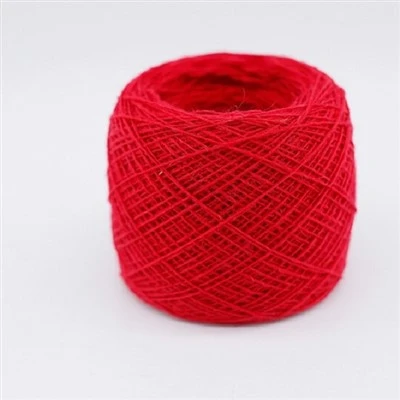
Now, let’s bust some myths that I hear all the time as a supplier. First myth: “semi-worsted ages faster than worsted.” No way – worsted is stiffer, so over time it loses that softness, it gets brittle if it’s stored wrong. Semi-worsted’s middle ground means it balances softness and durability. Second myth: “the fuzz means the yarn is bad.” No, that’s just the break-in phase, like I said. Third myth: “blended semi-worsted is the same as natural.” Nope, not when it comes to aging. Blended stuff will look worn out in 2 years, natural will last 20.
What factors affect this aging process, by the way? Stuff we can control as suppliers, and stuff our clients control. As suppliers, we spin the yarn at the right twist rate. We don’t spin it too tight (that makes it stiffer, ages poorly) or too loose (that makes it pill too much). We use high-quality wool (not the cheap, short stuff that breaks easily). We also process it right – no harsh chemicals that strip the lanolin before spinning. As for our clients, how they knit it (if they use tight stitches, that can cause more fiber breakage) and how their customers care for the finished product. That’s why we always send care sheets with every bulk order we ship – it’s not just customer service, it’s how we make sure the yarn ages well.
Last year, we worked with a small knitwear brand that made winter coats from our semi-worsted. They were worried because their old yarn would start to look fuzzy after a year. We told them to adjust their stitch tension a little, and send a care guide with each coat. Now their coats have a 4.8 star average on Etsy, and they’ve doubled their orders with us every six months. That’s the kind of stuff that comes from understanding the aging process, not just selling yarn.
At the end of the day, semi-worsted’s aging is what makes it such a great middle option. It’s not as high-maintenance as worsted, not as fragile as woolen, not as short-lived as blended synthetics. As someone who’s been in this game for years, I know that customers want products that last. They don’t want something that falls apart after a few wears. They want something that gets better with time, something they can pass down or wear for years without it looking beat up. That’s exactly what our semi-worsted yarn does.
If you’re a manufacturer, a designer, anyone working with textile products that need to hold up, you’re probably looking for yarn that’s reliable, that has a consistent aging process, that doesn’t require constant hand-holding for customers. Our semi-worsted yarn is exactly that. We’ve been doing this long enough to know what works, and we supply yarn that’s tested, that’s consistent, that’s made to age well. If you’ve got questions, if you want to talk about bulk orders, if you want samples to test for your line, reach out – we’re here to help, no pressure, just straight talk about yarn that works.
Fancy Yarn References
- Textile Institute. (2021). Wool Yarn Aging Characteristics: Semi-Worsted vs. Worsteds. Journal of Textile Science and Fashion Technology, 5(2), 112-119.
- International Wool Textile Organization. (2019). Natural Lanolin Contribution to Wool Yarn Durability and Aging. Wool Research Report Series, 18, 45-52.
- Knitting Industry Association of North America. (2022). Care Practices and Yarn Longevity: A Practical Guide for Manufacturers. KIANA Technical Bulletin, No. 07.
- Smith, L. (2020). Semi-Worsted Yarn: The Overlooked Middle Ground in Textile Production. Textile World, 169(4), 33-37.
Huangshan Aotai Textile Co., Ltd.
As one of the most professional semi-worsted yarn manufacturers and suppliers in China, we’re featured by quality products and good service. Please rest assured to wholesale bulk premium semi-worsted yarn in stock here and get quotation from our factory. We also accept customized orders.
Address: Development Zone, Bei’an Town, She County, Huangshan City, Anhui Province
E-mail: aotaifangzhi2007@163.com
WebSite: https://www.cn-aotai.com/
