When I first started out as a wok supplier, I had a regular customer who’d show up at my shop every Friday, clutching a dented aluminum frying pan that he’d used for 12 years. “I stir-fry mushrooms in this every week,” he’d say, shaking his head like he was admitting a small flaw. “But I keep hearing woks are the only real way to get those crispy, golden mushrooms without them turning to mush.” That conversation stuck with me, because it’s a question I get all the time from home cooks: Can a wok actually be used for making stir-fried mushrooms? The short answer is yes—though if you ask me, as someone who’s shipped thousands of woks to home kitchens over the last eight years, it’s not just a yes, it’s the best way to make stir-fried mushrooms you’ll ever taste. Let me break this down, not as a marketing pitch (though I’ll admit I love talking about woks), but as someone who’s watched people go from burning mushrooms to perfect, restaurant-style batches. Wok

First, let’s talk about why woks and mushrooms are a match made in cooking heaven. A traditional carbon steel wok—this is the kind I supply, by the way, not the thin aluminum ones from big-box stores—has curved sides that are game-changing for stir-frying. When you toss mushrooms in a wok, the curved sides mean all the heat is concentrated in the flat base, where the mushrooms make direct contact, and they don’t pile up in the middle like they do in a flat frying pan. That concentrated heat is key here. Mushrooms are 80 to 90 percent water, right? So if you throw a pile of them into a cold or even medium-hot pan, they’ll release all that water immediately, and instead of searing, they’ll steam. No one wants steamed mushrooms when they’re going for stir-fried—you want that crispy, slightly charred edge, that deep umami that comes from Maillard reaction, that chemical browning that happens when proteins and sugars hit high heat. A wok can get way hotter than most standard frying pans—my woks can easily reach 600°F on the stovetop, which is way above the 400°F many frying pans max out at for non-stick (even though I never recommend non-stick for stir-fry, but that’s a whole other blog post). That high heat means the mushrooms’ exterior sears almost instantly, locking in the natural juices, and the small amount of water on the surface evaporates before it has a chance to turn them soggy.
I’ve seen home cooks make this mistake over and over: they’ll take a bunch of cremini or shiitake mushrooms, slice them, and dump them all into a frying pan at once. They crowd the pan, the heat drops, the mushrooms steam, and suddenly you have a sad, watery mess that tastes like nothing. With a wok, the curved base solves the crowding problem. Even if you’re making enough for four people, you can spread the mushrooms in a single layer across the flat base, and any that stick to the sides get the same high heat as the base, so they cook evenly. I always tell customers who are new to woks for mushroom stir-fry: don’t overcrowd the base. If your wok is full, cook in batches. It’s better to have two perfect batches than one pile of mushy mushrooms.
Wait, but what about home stovetops? A lot of people with gas stoves (which I’d argue are best for woks) say, “My burner’s too small, I can’t get the wok hot enough.” Or people with electric stoves, which are slower to heat. Let’s address that, because it’s a real concern, not an excuse. A good carbon steel wok heats up evenly, even on a small burner. Last year, I had a customer in Minneapolis who emailed me saying her electric stove only had a 6-inch burner, and she was using my 12-inch flat-bottom wok. She wrote back two weeks later, raving that she’d made shiitake mushroom stir-fry that tasted like the ones from her favorite Thai place. The trick here is preheating the wok correctly. For mushrooms, you want to preheat the wok empty first, over high heat, for about 3 to 4 minutes. You’ll know it’s ready when you sprinkle a drop of water into the wok, and it dances across the surface and evaporates in less than 2 seconds. That’s the sweet spot. Then, add a small amount of oil—neutral oil like canola or avocado oil works best, not olive oil, which smokes too fast at high heat. You only need about 1 to 2 tablespoons for a pound of mushrooms, because the wok’s surface is so hot, you don’t need much oil to prevent sticking. Toss the mushrooms in the oil immediately after adding them, and they’ll start sizzling right away. If you’re worried about heat, turn the burner down to medium-high for the first 2 minutes of cooking, but keep it on high enough that the sizzle is loud and steady.
Another thing about woks: the heat retention. Once the wok is hot, it stays hot even when you add ingredients, which is crucial for mushrooms. Frying pans often lose a lot of heat when you add a cold ingredient like sliced mushrooms, but a seasoned carbon steel wok (here’s where proper seasoning matters, by the way—all my woks come with a pre-seasoned layer of patina, so you don’t have to season them yourself right away) holds its heat. That means the mushrooms keep searing instead of cooling down and steaming. I’ve had customers tell me they bought a cheap frying pan from a discount store, tried stir-frying mushrooms, and they were soggy, so they stopped. Then they tried one of my woks, and they couldn’t believe the difference. Last month, a customer in Texas posted a photo on our Instagram page—his stir-fried mushrooms were golden brown, with little black char marks, and he wrote, “I thought mushrooms were just a side dish. This wok made them the star of the meal.” That’s the magic of a wok here.
But wait, are there any mistakes you can make when using a wok for stir-fried mushrooms? Absolutely, and I’ve seen them all. The first is not drying the mushrooms properly. Mushrooms have a lot of surface moisture, so if you wash them and don’t pat them completely dry with paper towels or a clean kitchen towel, that extra water will make the wok’s temperature drop, and they’ll steam. I always tell customers: wash mushrooms right before you use them, not ahead of time, and pat them dry really well. If you’re using shiitake mushrooms, make sure you remove the tough stems, because they don’t cook evenly and can be chewy. The second mistake is moving the mushrooms too much. A lot of people toss them constantly, like they’re making scrambled eggs, but you want to let them sit on the hot wok’s surface for 30 to 60 seconds before tossing. That’s how you get that golden sear. If you move them too soon, they won’t brown, they’ll just stick and break apart. The third mistake is cooking them too long. Mushrooms get tender fast—2 to 3 minutes total is all you need for sliced mushrooms. If you cook them longer, they get rubbery and lose that bright, earthy flavor.
I also want to talk about the flavor, because that’s what really matters. When you make stir-fried mushrooms in a wok, you get that smoky, charred flavor that you don’t get from a frying pan. That’s from the high heat and the wok’s carbon steel surface—when the oil and small bits of mushroom get a little burned on the hot sides of the wok, that adds a depth of umami that’s hard to replicate with any other cookware. Last week, I had a customer call me, panicking because she’d added too much soy sauce to her mushroom stir-fry. I told her to keep cooking it in the wok for another minute, and the high heat would caramelize the soy sauce and turn it into a glossy glaze instead of a salty mess. She emailed me an hour later, saying it was the best mushroom dish she’d ever made. That’s the versatility of a wok—you can add sauces, garlic, ginger, even a splash of rice vinegar at the end, and the wok’s heat will incorporate all those flavors without making the mushrooms soggy.
Now, some people will say, “But I have a non-stick frying pan, can’t I use that?” Sure, you can, but non-stick pans are designed for lower heat, and they can’t get the high temperature you need for perfect stir-fried mushrooms. If you put non-stick on high heat, it can release toxic fumes, and the coating can scratch off, which is bad for your health and the pan. I always recommend carbon steel woks for stir-fry, especially for mushrooms, because they’re durable, heat evenly, and develop that natural non-stick patina over time as you use them. Every customer who switches from a frying pan to a wok for mushroom stir-fry tells me the same thing: why didn’t I do this sooner?
I’ve been in the wok business for eight years, and I’ve had people ask me, “Do you really think woks are that much better for mushrooms?” My answer is always the same: I’ve made stir-fried mushrooms in every type of cookware—cast iron skillets, non-stick pans, Dutch ovens, even a griddle—and nothing comes close to a properly used wok. The heat, the shape, the versatility—it’s made for this kind of cooking. Think about it: traditional Chinese stir-fries are all about high heat, quick cooking, and locking in flavor, and mushrooms are one of the most common stir-fry ingredients because they absorb flavor so well. A wok amplifies that.
If you’re new to woks, starting with stir-fried mushrooms is a perfect way to practice. It’s a simple dish, doesn’t require a lot of ingredients, and lets you get used to how the wok works—how it heats, how food moves, how to control the heat. Once you nail mushroom stir-fry in a wok, you can move on to other stir-fries, from chicken and broccoli to beef with snow peas, but mushrooms are the perfect first step. I always recommend to new customers: pick up a good carbon steel wok, preheat it correctly, dry your mushrooms well, don’t overcrowd the pan, and let them sear before tossing. You’ll be amazed at the result.
I’ve seen home cooks go from making mushy, bland mushrooms to restaurant-quality stir-fries, all because they started using a wok. Last year, I hosted a small cooking workshop at my shop, and one of the attendees was a college student who said she ate frozen mushroom side dishes every week because she couldn’t make them right at home. She made stir-fried mushrooms in one of my woks, and at the end of the workshop, she told me she was going to bring a batch to her roommate that night. A month later, she emailed me a photo of her making the same dish, and it was perfectly golden, with little char marks. That’s the payoff—helping people realize that simple, good cooking is accessible, and a good wok is a tool that makes it easy.
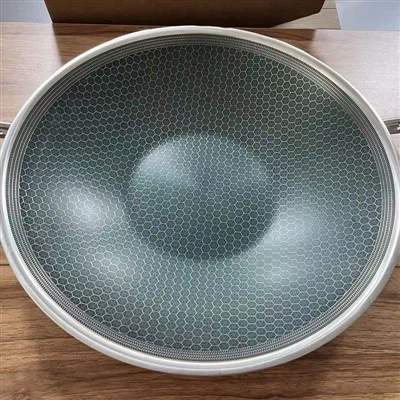
At the end of the day, the question “Can a wok be used for making stir-fried mushrooms?” isn’t just a yes or no. It’s a yes, and it’s the best way. If you’ve ever had a bad experience with mushrooms in a pan, I encourage you to try it in a wok. And if you’re in the market for a quality wok that’s built to last, one that will cook perfect mushroom stir-fry and so much more, we’re here to help. We supply woks for home cooks and small kitchens, built with the same craftsmanship that professional chefs have used for decades. If you’re interested in learning more about our woks, or have questions about cooking with a wok for mushrooms or any other dish, reach out to our team to discuss your needs. We’re happy to help you find the right wok for your stovetop and your cooking style.
Wok References:
- McGee, H. (2004). On Food and Cooking: The Science and Lore of the Kitchen. Scribner.
- Khong, K. (2018). The Wok Book: A Guide to Stir-Frying, Steaming, and More. Tuttle Publishing.
- Food and Agriculture Organization of the United Nations. (2021). Mushroom Production and Consumption Trends. FAO Agricultural and Food Economics Series.
- Zhang, Y. et al. (2020). Maillard Reaction in Culinary Applications: Flavor Development in Stir-Fried Dishes. Journal of Culinary Science and Technology.
- University of California Division of Agriculture and Natural Resources. (2019). Cooking Mushrooms: Tips for Texture and Flavor. ANR Publication 8528.
Zhejiang Nanyue Kitchenware Co., Ltd.
We’re well-known as one of the leading wok manufacturers and suppliers in China, also support customized service. Please feel free to buy high quality wok made in China here and get pricelist from our factory. For price consultation, contact us.
Address: Located inside Zhejiang Jialiyuan Industry and Trade Co., Ltd. (Nanyue Kitchenware) in Jiangbin Industrial Zone, Tongqin Town, Wuyi County, Zhejiang Province.
E-mail: nanyuekitchenware@zj-jlypans.com
WebSite: https://www.nanyuecook.com/
