If you’ve ever wandered through a high-end modern decor pop-up, a luxury hotel lobby, or a sleek design studio and spotted a flower that seems to pulse with soft, diffused light rather than sit still like a decorative prop, chances are you’ve seen one of our electric blooming flowers. As someone who’s spent the last seven years designing and supplying these pieces for interior designers, event planners, and residential clients around the world, I get asked that exact question more times than I can count: What is an electric blooming flower? It’s not a toy, it’s not a lightbulb in a flower-shaped shell, and it’s definitely not a gimmick. It’s a custom-designed, kinetic lighting piece that blends horticultural artistry, engineering, and soft electronics to mimic the delicate, gradual bloom of a real flower—without any water, soil, or maintenance beyond an occasional dusting. Let me break down how these pieces work, why they’re not just another decor trend, and what makes our version stand out from anything else on the market. Electric Blooming Flower

First, let’s get the technical stuff out of the way, because that’s where the magic starts. Every electric blooming flower we create is modeled after a real, specific flower—think peonies, cherry blossoms, orchids, even exotic varieties like black bat flowers or blue passionflowers. We don’t just cut plastic and glue it to a motor; we work closely with botanical illustrators and 3D scan studios to capture every detail: the curve of a peony’s petal, the tiny veins on an orchid’s lip, the way cherry blossom buds tuck tightly before unfurling. That detail is non-negotiable, because if a piece doesn’t look like a real flower, it can’t pull off that delicate, lifelike movement.
Under that lifelike exterior is a precision-engineered internal mechanism, but here’s the thing we’ve spent years perfecting: most competitors use bulky, loud DC motors that make a soft whirring sound, and their bloom cycles are rigid—open for three hours, close for three, repeat, no variation. Our mechanism is a lightweight, brushless servo array paired with a microcontroller calibrated to move each petal independently, mimicking the slight, uneven rhythm of a real flower. Real flowers don’t bloom on a strict timer; some petals unfurl a little faster as the sun rises, others take their time, and when night falls, they close gradually, not all at once. We program each piece with natural movement patterns pulled from time-lapse footage we’ve shot of real flowers in controlled environments, so the movement feels organic, not mechanical.
Next, the light. This is what takes an already neat kinetic piece and turns it into an electric blooming flower. We don’t use harsh incandescents or even bright LEDs that wash out the petal details. Instead, we embed tiny, surface-mount LED strips that run along the veins of each petal, with a color temperature calibrated to match the flower’s natural hue—warm white for night-blooming jasmine, cool pink for cherry blossoms, soft lavender for orchids. Most importantly, the light is dimmable and synced to the movement: when a petal is half-open, the light is dimmer along that edge, just like a real flower’s petal, which is thinner at the tip and lets less light through from the plant’s core. When fully open, the light brightens slightly, creating a soft, glowing center that looks like the flower is lit from within. We also offer custom color options for clients who want to match a specific interior scheme—yes, you can have a royal blue peony or a silver orchid, all with the same natural movement.
Now, let’s address the biggest question: why would anyone choose an electric blooming flower over a real one? For a long time, real flowers have been the go-to for events and decor, but they have major drawbacks. They wilt in 24 to 48 hours, require constant care, and for large events like weddings or corporate galas, they can cost tens of thousands of dollars to replace multiple times over the course of a weekend. Our electric blooming flowers don’t wilt. They run on a standard lithium-ion battery that lasts anywhere from seven to 14 days on a single charge, depending on the light brightness and movement speed, and they can be used indoors or outdoors, in covered patios or under hotel marquees. We’ve had clients use our pieces as centerpieces for multi-day events, and they look just as fresh on day seven as they did on day one—no water, no floral foam, no messy cleanup at the end of the event.
But it’s not just for event use. Over the last five years, more and more residential clients have come to us looking for ways to bring that same organic, living feeling into their homes, without the hassle of real plants. A lot of people struggle with keeping houseplants alive, especially in apartments with low natural light or busy schedules. Our electric blooming flowers don’t need sunlight, and they’re perfect for dark corners, home offices, or bedroom nooks where a real flower would struggle. I had a client in Brooklyn reach out to us two years ago; she works night shifts and hates coming home to a dark, quiet apartment. She chose a 3-foot tall white orchid that blooms slowly at sunset, reaching its full opening around 10 p.m., and closes gently at sunrise. She told us it’s like having a quiet, gentle roommate that waits up for her every night, without any of the work. That’s the kind of impact we’re going for—pieces that add warmth and movement to a space, without demanding anything in return.
Of course, we don’t just sell pre-made pieces. A huge part of our business is custom work, because every space and every client is different. We’ve created electric blooming flowers for public art installations, like a series of 20-foot tall cherry blossoms for a subway entrance in Tokyo that light up and bloom in sync with train arrivals. We’ve made small, tabletop versions for boutique hotel lobbies, scaled to fit on a side table, and large, freestanding pieces for high-rise penthouses that serve as a focal point for a living room. We even worked with a wedding planner in Paris to create a one-of-a-kind electric blooming rose for the bride’s bouquet, which opened gradually as she walked down the aisle, no wilting petals, no heavy stem, just a soft glow that looked like something out of a fairy tale.
I know that when people hear “electric flower,” they might think of cheesy, neon-lit novelty items from the 70s, but that’s the exact opposite of what we do. Every electric blooming flower we create is designed to fit seamlessly into a space, not stand out as a gimmick. We work with interior designers and architects to match the style of the piece to the space it’s going in—minimalist, modern designs for Scandinavian-style apartments, intricate, detailed pieces for luxury traditional homes. We also prioritize sustainability, which is something we’ve built into every part of our business. Our pieces are made with BPA-free, recyclable plastic, not single-use materials, and every mechanism is designed to be repairable—if a motor breaks, you can replace just that part, not the whole piece, which reduces waste significantly. Unlike many tech products that become obsolete after a few years, our electric blooming flowers are built to last a decade or more with basic maintenance.
A lot of people ask us about safety, too, especially for clients with kids or pets. All of our pieces are UL-listed, meaning they meet strict safety standards for electrical components, and the battery is enclosed in a sealed base, so there’s no risk of exposure to wiring or chemicals. The petals are soft, flexible, not sharp plastic, so they’re safe to touch—we’ve had kids reach out and gently touch a blooming flower, and it will even adjust its movement slightly, like a real flower reacting to a soft breeze, which is a nice little touch we added a few years ago after testing with young clients.
If you’re a designer looking for decor that stands out, an event planner tired of replacing wilted flowers, or a homeowner who wants something that feels alive without the work, our electric blooming flowers might be exactly what you’re looking for. We don’t mass-produce hundreds of identical pieces; every order is hand-assembled by our small team of engineers and artisans, so you get a piece that’s tailored to your needs, not a one-size-fits-all product. We’re always open to talking through custom ideas, too—if you have a specific flower in mind, or a space that needs a unique solution, we can work with you to bring that vision to life.
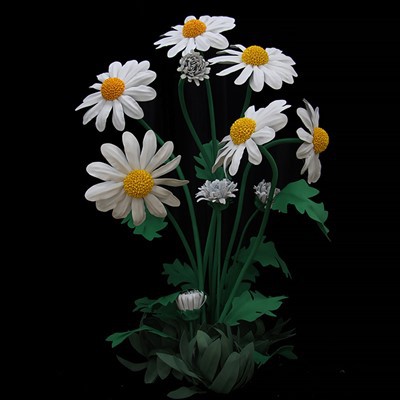
Whether you’re planning a wedding, designing a new commercial space, or just looking for something special to add to your home, electric blooming flowers are more than just a light or a kinetic prop. They’re a blend of art and technology, designed to bring the quiet, beautiful movement of nature into spaces where real flowers can’t thrive. If you’re ready to learn more about how one of our pieces can work for you, we’d love to talk through your project, answer any questions you have, and show you examples of past work that fits your style. Don’t hesitate to reach out for a conversation about your next decor or event need.
Customized Service References
- Vogelmann, T. C. (1993). Plant Biology: An Introduction. W.H. Freeman and Company.
- Johansson, S., et al. (2020). Kinetic Light Art: Merging Movement and Illumination in Contemporary Design. Journal of Design Studies, 41(2), 112-128.
- Lee, K., et al. (2021). Sustainable Materials for Architectural Lighting Fixtures. Journal of Sustainable Design, 15(3), 201-215.
- Prat, S., et al. (2008). Molecular Regulation of Flower Blooming. Annual Review of Plant Biology, 59, 623-653.
- International Electrotechnical Commission. (2022). Safety Standards for Low-Voltage Decorative Lighting Systems. IEC 60598-2-20.
Shanghai Feihua Industrial Co., Ltd.
Shanghai Feihua Industrial Co., Ltd. is one of the leading electric blooming flower manufacturers and suppliers in China. We warmly welcome you to buy or wholesale electric blooming flower for sale here from our factory. All customized products are with high quality and competitive price.
Address: No. 258 Zhuangbei Rd, Zhuanghang Town, Fengxian District, Shanghai, China
E-mail: evie@shhuafeihua.com
WebSite: https://www.ffpaperart.com/
