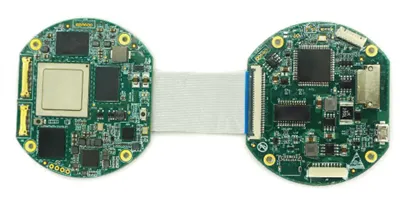
In the realm of technology, thermal imagers have emerged as invaluable tools with a wide array of applications, from industrial inspections to security surveillance. As a thermal imager supplier, I’ve witnessed firsthand the transformative impact these devices have on various industries. However, like any technological innovation, thermal imagers come with their own set of limitations. Understanding these limitations is crucial for users to make informed decisions and maximize the effectiveness of thermal imaging technology. Thermal Imager
Environmental Limitations
One of the primary limitations of thermal imagers is their susceptibility to environmental conditions. Temperature gradients, humidity, and ambient light can all affect the accuracy and performance of thermal imaging. For instance, in extremely cold or hot environments, the thermal imager’s sensors may struggle to accurately detect temperature differences. High humidity levels can also cause moisture to condense on the lens, reducing image clarity and detail. Additionally, direct sunlight or bright artificial light can overwhelm the imager’s sensors, leading to washout and inaccurate temperature readings.
In outdoor applications, weather conditions such as rain, snow, and fog can pose significant challenges for thermal imagers. These conditions can scatter and absorb infrared radiation, making it difficult for the imager to detect temperature differences. As a result, the image quality may degrade, and the ability to identify objects or anomalies may be compromised. To mitigate these environmental limitations, it’s essential to choose a thermal imager that is designed to withstand harsh conditions and has features such as weatherproofing and anti-reflective coatings.
Resolution and Sensitivity
Another limitation of thermal imagers is their resolution and sensitivity. The resolution of a thermal imager refers to the number of pixels in the image, which determines the level of detail that can be captured. A higher resolution allows for more precise temperature measurements and better identification of small objects or anomalies. However, higher resolution thermal imagers also tend to be more expensive and may have longer processing times.
Sensitivity, on the other hand, refers to the ability of the thermal imager to detect small temperature differences. A more sensitive imager can detect smaller changes in temperature, making it easier to identify subtle anomalies or differences in thermal patterns. However, like resolution, higher sensitivity also comes at a cost, and more sensitive thermal imagers may be more prone to noise and interference.
When choosing a thermal imager, it’s important to balance the need for resolution and sensitivity with the specific requirements of the application. For applications where high levels of detail and precision are required, such as scientific research or industrial inspections, a higher resolution and sensitivity may be necessary. However, for applications where cost is a major factor or where the focus is on detecting large temperature differences, a lower resolution and sensitivity may be sufficient.
Limited Depth of Field
Thermal imagers typically have a limited depth of field, which means that only objects within a certain range of distances from the imager will be in focus. Objects that are closer or farther away from the imager may appear blurry or out of focus, making it difficult to accurately measure their temperature or identify details. This limitation can be particularly problematic in applications where objects are located at different distances from the imager, such as in building inspections or security surveillance.
To overcome the limited depth of field of thermal imagers, some models offer features such as autofocus or adjustable focus. Autofocus allows the imager to automatically adjust the focus to keep objects in sharp focus, regardless of their distance from the imager. Adjustable focus, on the other hand, allows the user to manually adjust the focus to achieve the desired level of sharpness. However, these features may not be available on all thermal imagers, and they may add to the cost of the device.
Material and Surface Effects
The material and surface properties of objects can also affect the accuracy of thermal imaging. Different materials have different thermal emissivities, which is a measure of how efficiently they emit infrared radiation. Objects with high emissivities, such as metals, tend to emit more infrared radiation and are easier to detect with a thermal imager. However, objects with low emissivities, such as plastics or glass, may not emit enough infrared radiation to be accurately detected, resulting in inaccurate temperature readings or poor image quality.
In addition to emissivity, the surface finish of an object can also affect the accuracy of thermal imaging. Smooth, shiny surfaces can reflect infrared radiation, making it difficult for the imager to detect the object’s true temperature. Rough or textured surfaces, on the other hand, tend to absorb and emit infrared radiation more efficiently, making them easier to detect. To compensate for these material and surface effects, some thermal imagers offer features such as emissivity correction or reflection compensation. These features allow the user to adjust the imager’s settings to account for the emissivity and reflectivity of the object being measured, improving the accuracy of the temperature readings.
Cost and Complexity
Finally, cost and complexity are also limitations of thermal imagers. High-quality thermal imagers can be expensive, especially those with advanced features such as high resolution, sensitivity, and autofocus. In addition, thermal imagers require specialized training and expertise to operate effectively. Users need to understand how to interpret the thermal images and make accurate temperature measurements. This can be a challenge for some users, especially those who are not familiar with thermal imaging technology.
To address these cost and complexity issues, some thermal imager suppliers offer training and support services to help users get the most out of their devices. These services can include on-site training, online tutorials, and technical support. Additionally, some suppliers offer more affordable thermal imagers with basic features that are suitable for less demanding applications. These devices can provide a cost-effective solution for users who need to perform basic thermal imaging tasks without breaking the bank.
Conclusion
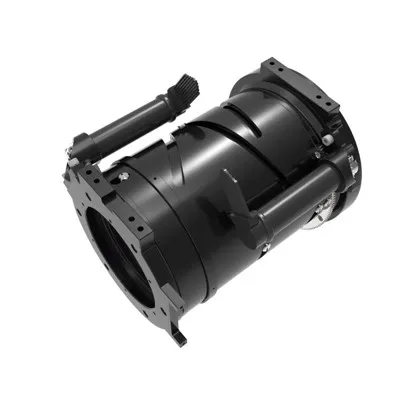
In conclusion, while thermal imagers are powerful tools with a wide range of applications, they do have their limitations. Environmental conditions, resolution and sensitivity, limited depth of field, material and surface effects, and cost and complexity are all factors that can affect the performance and accuracy of thermal imagers. As a thermal imager supplier, it’s my responsibility to educate my customers about these limitations and help them choose the right device for their specific needs.
Thermal Imager If you’re interested in learning more about thermal imagers or are considering purchasing a thermal imaging device, I encourage you to contact me. I’d be happy to discuss your requirements and provide you with more information about our products and services. Whether you’re looking for a high-resolution thermal imager for industrial inspections or a more affordable device for home use, I’m confident that I can help you find the right solution.
References
- Scharfenberger, Peter B., and Gary W. Faris. Thermal Imaging and Infrared Search and Track (IRST) Systems. Artech House, 2004.
- Vollmer, Michael K., and Thomas Mollmann. Infrared Thermal Imaging: Fundamentals, Research and Applications. Wiley-VCH, 2010.
- Wolfe, William L., and George J. Zissis. The Infrared Handbook. Office of Naval Research, 1993.
Xi’an Zhongke Lead Ir-Tech Co., Ltd.
We are one of the most experienced thermal imager manufacturers in China, specialized in providing high quality OEM products with the industrial grade. We warmly welcome you to wholesale high performance thermal imager at an affordable price from our factory.
Address: Building 8,Hard Technology Enterprise Community No.3000,Biyuan 2nd Rd,High-Tech Zone Xi’an,Shaanxi,China
E-mail: sales@lead-ir.com
WebSite: https://www.leadinfrared.com/
